When We Made Men

When We Made Men

Tito O'tobi

Tito O'tobi

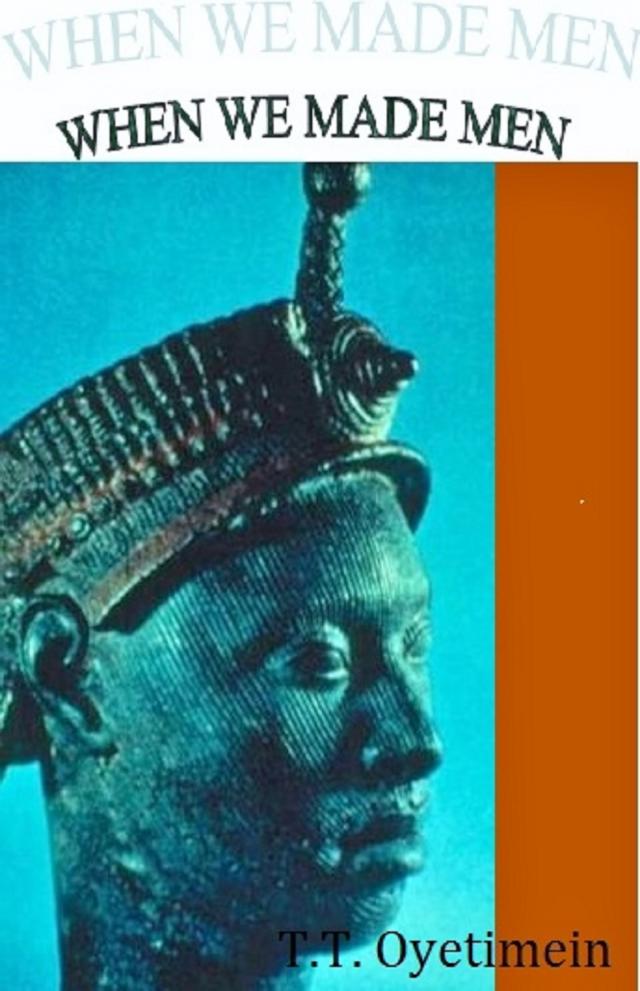
A storm of political incidents forces a 13year old boy of the Yoruba ethnic group of South-Western Nigeria to take a philosophical yet seemingly childish entry into his nation's socio-cultural and political landscape.He writes his experiences through a whirlwind of events and changes the system of government.What will you see if you look at the political landscape through the eyes of a child?A 13 year old boy of the Yoruba ethnic group of what used to be South Western Nigeria gets caught in the intriguing world of changes sweeping the political landscape in his native Yoruba state, which in itself, is a fragment of the Nigerian state broken up by coups, corruption and ethnic disputes. The raging storm of political antecedents forces the boy to take a philosophical yet seemingly childish entry into the world of his nation's cultural, social and political landscape. With historical information supplied by the few adults around him, scholarly storytellers who believe that history and past incidents are the best predictors of future incidents, he is forced to take the role of a rising younger generation whose heroic actions can clean the past mistakes of the men made by the nation’s corrupt political class, he puts down his thoughts and experiences through a whirlwind of events. His story forms the trigger that eventually establishes a new system of government in a state where democracy is considered a failure. What will you see if you look at the political landscape through the eyes of a child?Will these responsibilities become the initiation of a good man made by the politics played around him or be the birth of a new generation of men carrying the genes of the old class.
Read online
  • 625
Ìwà: A Phoenix’s Appearing

Ìwà: A Phoenix’s Appearing

Tito O'tobi

Tito O'tobi

Ìwà: A Phoenix’s Appearing is a short folk story written by Tito O’tobi. The story follows a sequence of events that brings Oòduwà in contact with a princess while he is running away from his destiny as predicted by the oracle at Òyó. This short story is an excerpt from the popular trilogy, The Hunchback of Langbodo.Twenty Four WeeksEpisode 12 - "Twenty Three"An on-air fight threatens everything Judd has worked for… Quinn makes an unexpected request…Wade doesn’t get to say anything else. He’s cut short as I push him hard across the room. His head phones are still on and the cord snaps taught and pulls his head sideways. He gets up in a second but I’m on him.“What the hell, Wade!” I yell.The problem is I’ve not pushed the mute button...Still reeling from the shock of discovering his wife's infidelity, Judd Altman learns that he has lost his father and will be one himself. His soon to be ex-wife, Quinn, is pregnant with his child.After almost losing the baby, Wade (Judd's old boss and Quinn's lover) realizes the truth about himself and his relationship with Quinn and leaves her. Judd, in the face of Quinn's situation, forgives her, but cannot reconcile their marriage.With nothing but a stolen Porsche, Judd drives to Maine with limitless possibilities. A man with nothing has nothing to lose, and a man with nothing to lose can do anything.Twenty Four Weeks begins with Judd's time of reflection in Maine and his eventual decision to return to New York City, to take back the life that has been so cruelly taken from him. Sometimes humorous, this bitter-sweet tale is full of hope, love and forgiveness.With characters and back story based on the novel "This is Where I Leave You" by Jonathan Tropper, Twenty Four Weeks is set after the events of the movie of the same name.
Read online
  • 614
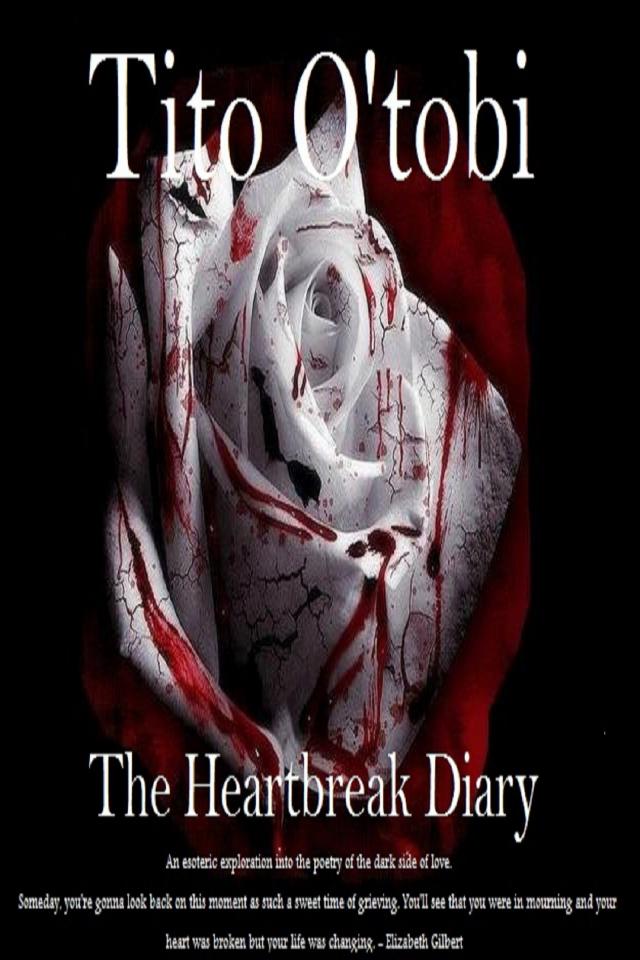
The Heartbreak Diary

The Heartbreak Diary

Tito O'tobi

Tito O'tobi

The Heartbreak Diary is a collection of deep poems that discusses culturally and versifies the complex emotional feeling that is called heartbreak. Its verses are arranged in three main styles, rhythmic quartets/quatrains, iambic sonnets and a few long verses that culminate in an ode sung to African literary juggernaut, Chinua Achebe.The Heartbreak Diary is a collection of deep poems that discusses culturally and versifies the complex emotional feeling that is called heartbreak. Its verses are arranged in three main styles, rhythmic quartets/quatrains, iambic sonnets and a few long verses that culminate in an ode sung to African literary juggernaut, Chinua Achebe. The theme of the poems range from a nationalist’s broken patriotism through exuberant teenage flings to somber vituperations of death, like Love is strong as death.It’s a work that subtly draws on its reader and reminds one of a young Wole Soyinka’s Idanre.
Read online
  • 276
183